

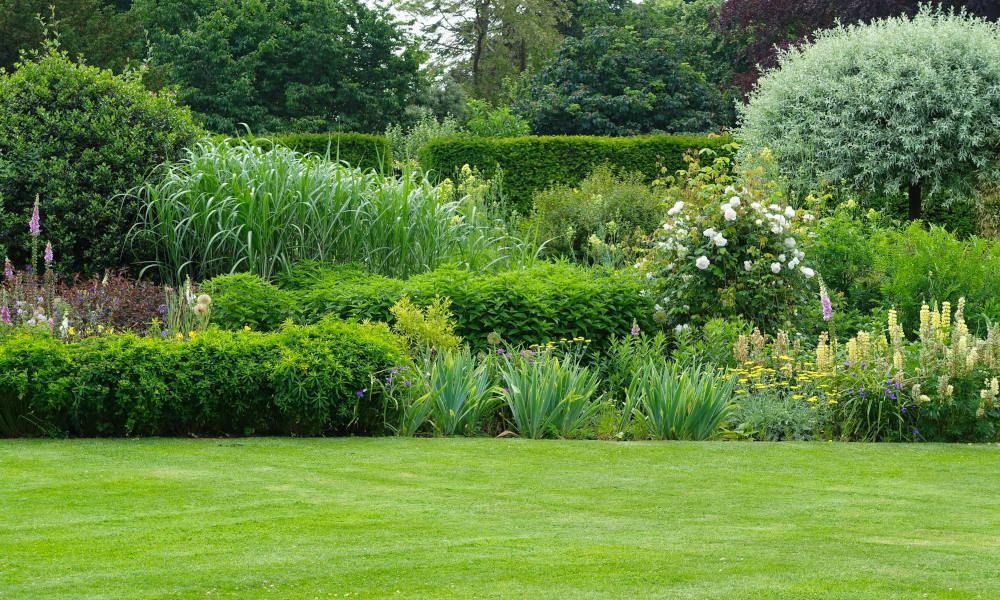
It is difficult to dispute that gardens, in general, possess a universally alluring allure. This holds true regardless of whether you are meandering through an arboretum during the Cherry Blossom Festival or tending to your own lawn. Our sometimes dreary, contemporary environment is enlivened by the presence of gardens. Something about the presence of gardens has this effect. This phenomenon is largely attributable to the inherent appreciation humans have for the natural environment. Why is horticulture so important to our daily lives and culture, and how does it benefit the natural world? There is an expert, he said that gardening connects us with nature.
What are the benefits of gardening?
The benefits of horticulture are numerous and extensive. It may be beneficial for both your health and the health of the soil and fauna in your yard. It is a great method for relieving stress, establishing personal goals, and fostering development. In addition to everything else, growing your own food is an excellent way to make your home a more sustainable place to reside and to reduce your environmental impact.
Why is horticulture so advantageous to one’s physical health?
Growing one’s own food through gardening has been associated with a broad range of health benefits. The fact that gardening requires a substantial quantity of time spent outdoors is likely the most obvious benefit. When exposed to sunlight, your body produces more vitamin D, which is advantageous for your bones, teeth, and muscles. And while we’re on the subject of muscles, gardening is an excellent low-impact form of exercise, though it can be high-impact if you’re hauling heavy pots or wheelbarrows of soil.
Horticulture has been demonstrated to be beneficial for mental health. It is conceivable that this has something to do with the positive mental health effects of being in nature. Gardens provide us with the opportunity to interact with nature in a manner that is to some extent self-determined due to the fact that their development involves human intervention.
Why is horticulture so important for the environment?
Gardens are important to the health of the planet because, despite being created by humans, they resemble natural environments. There, plants and trees can flourish, resulting in the sequestration of carbon and production of oxygen. The roots of these plants are responsible for soil stabilization and water filtration. Municipal gardens and national parks provide safe havens for a vast array of wild animals, many of which would have been compelled to seek refuge elsewhere if not for the unrelenting urbanization that characterizes modern life.
Birds, invertebrates, and bees, especially honey bees, play a crucial role in the natural cycle of life across the entire planet. Despite the fact that bees are among the most important pollinators in this category, they are not the only ones. It is probable that your backyard garden has its own native pollinators, and gardening is an excellent way to entice them back into your life. They will enhance the appearance of your flower garden, ensure the continued health of your perennials, and contribute to the expansion of your vegetable garden.
Why is horticulture such an integral part of your daily routine?
Your physical health, your mental state, the people in your community, and the natural world are all interconnected. If you’re still not convinced of gardening’s significance after perusing those arguments, we have a few more for you. In addition to its benefits for your health and wallet, horticulture can help reduce your environmental impact.